
How Distance, Transport Type, and Season Affect Vehicle Shipping Prices
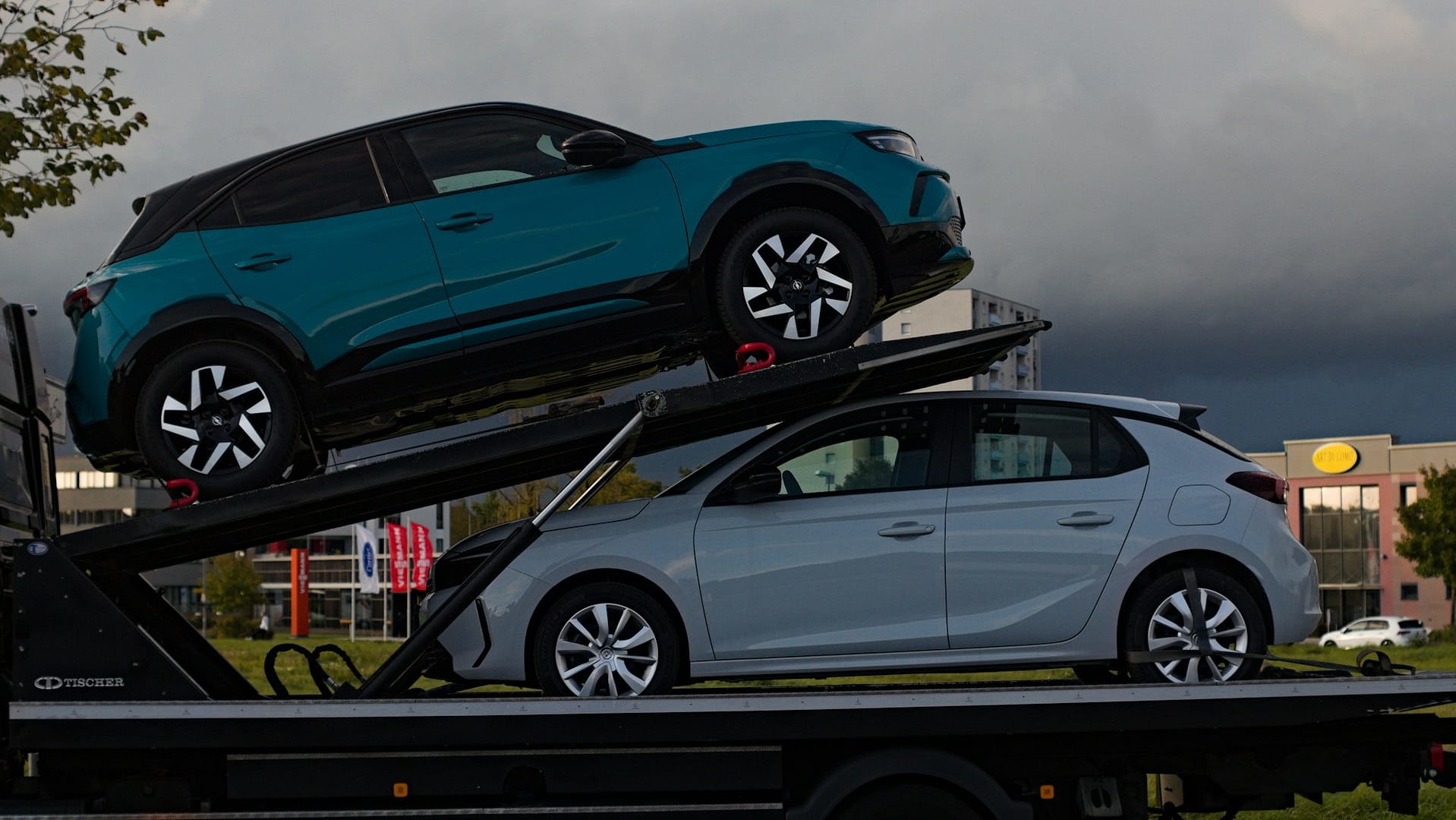
Vehicle shipping involves several moving parts, and each one contributes to the final cost a customer pays. Three of the biggest factors are distance, transport type, and season. These elements influence pricing because they affect fuel use, carrier availability, and overall demand. Understanding how they shape shipping rates helps customers make informed decisions. It also guides them toward the most practical timing and method for their shipment. This article explains each factor clearly, showing how they interact and why they matter when planning auto transport.
Distance And Overall Mileage

Distance remains the simplest cost factor. Longer routes require more fuel, time, and driver hours. Carriers consider total mileage, route complexity, and terrain. A straight highway route costs less than one filled with tight curves or mountain climbs. The farther the delivery point, the more resources the carrier invests. This influences the rate at which customers receive. Short-distance transport may seem easier, yet it brings its own costs because loading and unloading still require the same careful process. Every trip demands planning and coordination. Longer hauls spread those tasks across more miles, making the price structure more balanced. Understanding distance helps customers set realistic expectations before booking.
Route Demands And Regional Factors
Not all routes are equal. Some regions experience heavy traffic. Others have long stretches between service areas. These details influence the carrier’s operating costs. Popular shipping corridors often cost less because carriers travel them frequently. Remote locations raise prices. The carrier spends more time reaching the pickup or delivery point. Weather along the route can also slow progress. Drivers must adjust to conditions that affect timing and fuel efficiency. All of this plays a role in the final price. When customers understand route-related factors, they can choose pickup or drop-off points that make shipping smoother and more affordable.
Transport Type And Carrier Preference

Transport type is another major influence on shipping prices. Customers usually choose between open and enclosed transport. Open carriers cost less and are widely available. They move several vehicles at once, making them efficient. Enclosed carriers provide extra protection for the vehicle. They cost more because they carry fewer cars and shield them from weather and road debris. Some vehicles require a unique level of care. High-value cars, luxury models, and restored classics often travel in enclosed trailers. The choice between open and enclosed transport depends on the vehicle’s needs, the customer’s comfort level, and the budget. Both options provide safe transport. The difference lies in how much protection the customer prefers.
How Vehicle Size Influences Transport Type
While transport type is a key factor, vehicle size also impacts pricing. Larger or heavier vehicles require more space on the trailer and sometimes special equipment. This affects how many cars a carrier can load and how the trailer distributes weight. Oversized vehicles may need a specific carrier setup. These details contribute to the overall cost. Customers benefit from sharing accurate vehicle information during booking. It helps ensure proper planning. It also prevents unexpected price changes later in the process.
Seasonal Demand And Market Timing
Season affects nearly every part of the vehicle transport industry. Demand increases during peak seasons. Summer brings relocations, college moves, and vacation travel. Winter affects schedules due to harsh weather in certain regions. Carriers adjust pricing based on these conditions. High demand leads to fewer available spots on trailers, which raises rates. Low demand brings more flexibility and sometimes lower prices. Seasonal changes also influence route safety and speed. During winter, carriers must handle snow, ice, and slower travel times. These details shape shipping schedules and prices throughout the year.
Weather Conditions And Shipping Challenges
Weather plays a steady role in the transport process. Heavy rain, storms, or extreme heat affect how carriers plan routes and manage travel times. These conditions may require slower speeds or safety adjustments. Carriers build this into their pricing structure to maintain reliability. Weather influences vehicle protection as well. Many customers choose enclosed transport during seasons with severe weather. This affects availability and cost. Understanding seasonal weather patterns helps customers choose practical shipping dates. It also guides them toward transport types that fit their goals.
Plan Ahead For Better Pricing

Planning ahead gives customers more control over cost. Shipping during off-peak seasons often provides better rates. Booking early also helps secure preferred transport types and schedules. When customers understand the role of distance, route demands, transport type, and season, they make smarter choices. They learn which factors they can adjust and which ones they cannot. They also gain a clearer outlook on pricing. Good planning reduces stress and keeps the process efficient from start to finish. The goal is smooth transport and fair pricing. Knowledge makes both possible.
Vehicle shipping prices depend on several interconnected factors. Distance shapes fuel use and travel time. Transport type determines the level of protection and efficiency. Season affects demand, weather, and scheduling. Customers who understand these elements make better decisions. They select the right transport method, choose ideal timing, and prepare for the costs. This awareness brings confidence to the process. It makes shipping predictable and manageable. With the right information, customers approach vehicle transport with clarity and realistic expectations.

