
How Solar Energy Supports Long-Term Home Energy Independence

Many homeowners are looking for ways to reduce their dependence on traditional electricity sources. Rising energy costs, increasing environmental awareness, and advances in renewable technology have encouraged more families to explore solar energy. Many homeowners also choose to work with a trusted solar company Malaysia to identify solar solutions that match their property’s energy needs and long-term goals. Residential solar systems allow homes to generate electricity directly from sunlight, reducing reliance on the local power grid. While the initial installation requires planning, the long-term benefits often extend well beyond monthly utility savings. Understanding how solar energy supports long-term home energy independence helps explain why many homeowners view it as an investment in greater financial stability and energy security.

Generating Electricity at Home
One of the greatest advantages of residential solar energy is the ability to produce electricity where it is used. Solar panels capture sunlight and convert it into usable electrical power for household appliances, lighting, and other daily needs. Instead of relying entirely on electricity supplied by utility companies, homeowners generate a portion of their own energy throughout the day. The amount produced depends on factors such as system size, weather conditions, roof orientation, and available sunlight. Although most homes remain connected to the power grid, producing electricity on-site reduces dependence on outside energy sources over the long term.
Reducing Dependence on Utility Providers
Traditional electricity systems rely on centralized power generation and extensive transmission networks. Homes connected only to the grid remain affected by changes in energy prices and supply conditions. Solar energy provides an alternative by allowing homeowners to meet part of their electricity demand independently. As solar production increases, the amount of electricity purchased from utility companies often decreases. This reduces exposure to future price increases while providing greater control over household energy use. Long-term energy independence becomes more achievable when homeowners rely less on external electricity suppliers.
Supporting Predictable Energy Costs
Household budgets can be affected by fluctuating utility bills, especially when electricity prices rise over time. Predicting future energy expenses becomes more difficult under changing market conditions. Solar energy helps improve cost predictability because sunlight itself remains free. After installation, many of the largest expenses associated with electricity production have already been addressed. Routine maintenance requirements are generally limited, allowing homeowners to better estimate future operating costs. Stable long-term energy expenses make financial planning easier while reducing uncertainty associated with future utility rate adjustments.

Improving Energy Resilience
Reliable access to electricity is essential for modern households. Power outages caused by severe weather, equipment failures, or infrastructure issues can interrupt daily routines. Solar energy systems combined with battery storage can improve household resilience during certain power interruptions. Stored electricity allows selected appliances and essential systems to continue operating even when grid power becomes unavailable. Although battery capacity varies by system design, backup energy provides additional flexibility during unexpected outages. Increased resilience contributes to greater energy independence by reducing complete reliance on external electrical infrastructure.
Supporting Sustainable Living
Energy independence often goes hand in hand with environmental responsibility. Solar power generates electricity without producing direct emissions during normal operation. Using renewable energy reduces reliance on fossil fuel-based electricity generation. Over many years, residential solar systems contribute to lower overall greenhouse gas emissions while supporting broader sustainability goals. Many homeowners appreciate that solar energy allows them to reduce environmental impact without changing everyday lifestyles significantly. Long-term renewable energy use supports both household efficiency and wider environmental objectives.
Preparing for Future Energy Needs
Residential energy demand continues evolving as households adopt new technologies. Electric vehicles, home offices, smart appliances, and advanced heating and cooling systems all increase electricity consumption. Installing solar energy provides homeowners with a stronger foundation for meeting these future needs. System expansions or battery upgrades may allow households to support additional electrical demand as technology changes. Planning for future energy requirements today reduces the need for major adjustments later. Flexible solar systems help homeowners adapt as residential energy use continues growing over time.
Solar energy supports long-term home energy independence by allowing households to generate electricity, reduce dependence on utility providers, improve cost stability, strengthen resilience, support sustainable living, and prepare for future energy demands. Rather than relying entirely on external electricity sources, homeowners gain greater control over how their homes are powered. Understanding how solar energy supports long-term home energy independence highlights why renewable energy continues attracting homeowners seeking greater financial stability and energy security. As technology continues improving, residential solar systems will likely remain an important part of creating more self-sufficient and efficient homes for the future.…





 Before hosting an open house or showing, invest time and effort in preparing your home. Clean, declutter, and depersonalize your space. A clean, organized, and neutral home will appeal to a broader range of buyers. Also, consider staging your home to showcase its full potential. A well-staged home can help buyers visualize themselves living in the space and create a positive first impression.
 Open houses and showings are essential steps in the home-selling process. By making every minute count during these events, you increase the likelihood of attracting serious buyers and closing a successful deal. With careful preparation, a welcoming atmosphere, and attention to detail, you can showcase your home in the best possible light and achieve a quick and satisfying sale.…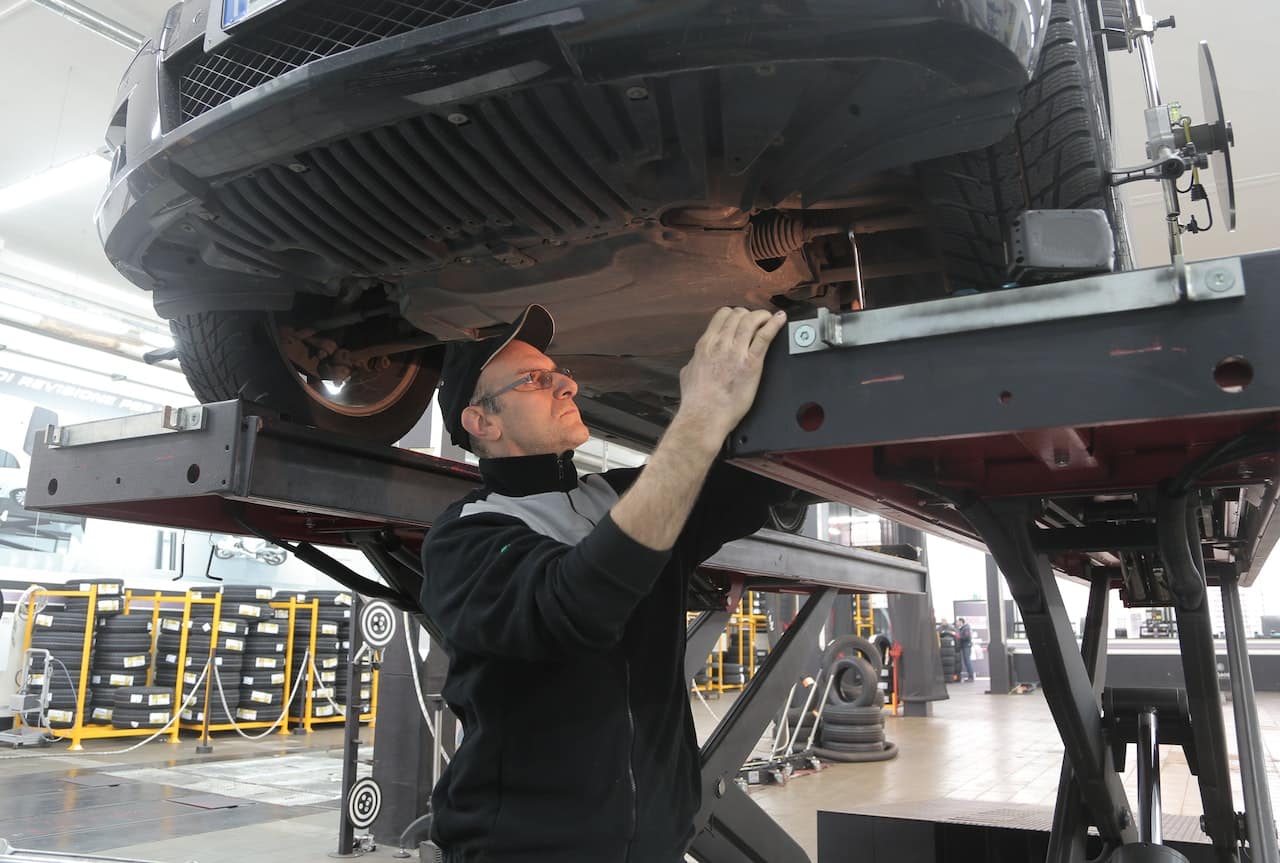
 Regular technical verification is an essential aspect of ensuring road safety. It involves the process of inspecting, evaluating, and testing a vehicle’s technical components and systems to ensure they are functioning correctly. The importance of technical verification cannot be overstated, as it helps to identify potential issues and fix them before they lead to accidents or breakdowns.
 CBD oil is effective in treating anxiety and depression. A study published in the journal Neuropsychopharmacology found that CBD oil could reduce anxiety in people with social anxiety disorder. Another study found that CBD oil effectively treated patients with generalized anxiety disorder.
 CBD oil has been shown to help reduce PTSD symptoms in animal and human studies. A 2012 study showed that CBD could help reduce fear memory recall in rats. A small study from 2016 found that CBD oil effectively reduced anxiety and improved sleep quality in people with PTSD. CBD oil may also help improve symptoms of anxiety in general. A large review from 2019 found that CBD can help reduce anxiety in people with various conditions, including social anxiety disorder, panic disorder, obsessive-compulsive disorder, and generalized anxiety disorder.

 If you ever decide to sell your vehicle, regular inspection and maintenance will help increase its resale value. A potential buyer will be more likely to pay a higher price for a car that has been well-cared for.
